


Fez Full Day Guided Tour: What to Expect in One Day
fez full day guided tour: practical route tips, local-guide advice, key sights and planning ideas for a better visit to Fez, Morocco.

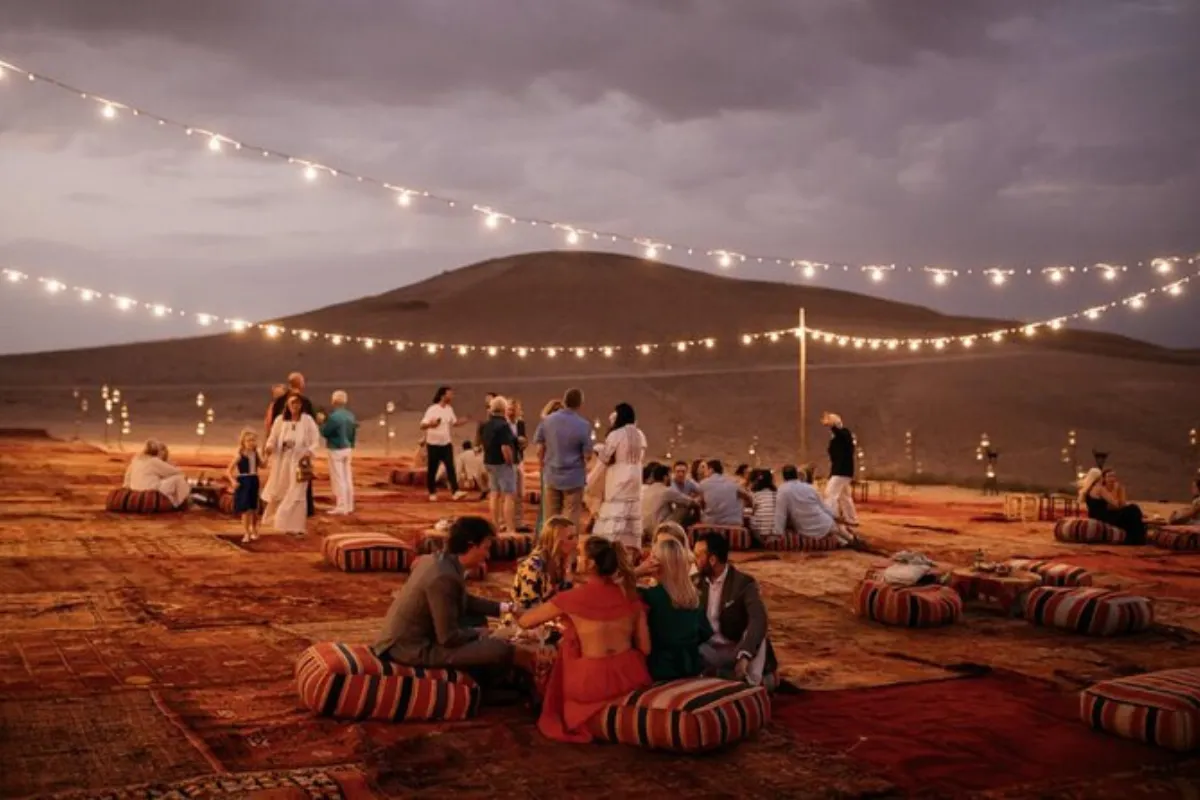
Morocco is a dream destination that sits at the crossroads of North Africa, Europe, and the Middle East. With its ancient medinas, sweeping deserts, and bustling souks, Morocco offers travelers an experience that’s both rich in culture and unforgettable in beauty. But as with any foreign land, a common question arises: Is Morocco safe to visit? Whether you’re an American traveler, a solo female explorer, or a first-time adventurer, safety is a top priority.
In this comprehensive guide, we’ll dive deep into what you really need to know about traveling to Morocco safely. With facts, local insights, and practical tips, we’ll help you feel informed, empowered, and ready to explore.
When considering a trip abroad, it’s normal to wonder about safety. From reading Reddit threads to watching YouTube vlogs, you’ve likely encountered conflicting opinions. Some travelers describe Morocco as peaceful and magical, while others focus on scams and culture shock. So what’s the truth?
At Fez Tour morocco , we believe in transparency and preparation. This article covers everything—from crime statistics to cultural nuances—so you can make the most of your Moroccan adventure with peace of mind.

When wondering is Morocco safe, it’s important to look at the facts and realities. Morocco is widely regarded as one of the safer destinations in North Africa for tourists. Violent crime against visitors is rare, especially in well-traveled tourist hubs like Marrakech, Fes, and Casablanca. However, petty crimes such as pickpocketing and minor thefts can happen, particularly in crowded markets, busy squares, and tourist-heavy neighborhoods.
Many tourists ask is it safe to travel to Morocco if they worry about scams or harassment. Common scams include fake guides offering unsolicited tours, inflated prices for goods or services, and distractions aimed at stealing valuables. Tourists should stay alert, keep their belongings close, and politely decline unsolicited offers. Avoiding flashy displays of wealth like expensive jewelry or large amounts of cash helps reduce the risk.
In terms of law enforcement, Morocco has a dedicated tourist police force actively patrolling key attractions and popular areas. Their visible presence reassures visitors and they are generally responsive and helpful if you report any issues. If you feel unsafe or become a victim of theft, contacting tourist police is the recommended first step.
A key concern for travelers asking is Morocco safe for Americans or other international visitors is the political climate. Morocco is a constitutional monarchy under King Mohammed VI, whose leadership has contributed significantly to maintaining internal stability. Unlike some neighboring countries, Morocco has avoided large-scale political unrest or violent protests.
While peaceful demonstrations occasionally occur, they are typically localized and do not affect tourist areas. The government prioritizes tourism as a major sector of its economy and invests in security measures to ensure visitor safety. For travelers, this means that day-to-day activities and visits to cultural sites can generally be enjoyed without fear of political disruption.
Health and hygiene are also crucial when assessing is Morocco safe for travel. Morocco has made significant improvements in sanitation and healthcare infrastructure over recent years. While tap water is still not recommended for drinking in most areas, bottled water is cheap and readily available, even in remote locations.
Food safety in Morocco tends to be good, especially at restaurants that cater to tourists and locals alike. Street food, which is part of the Moroccan experience, can also be safe if you choose stalls with a high turnover of customers and freshly prepared dishes. Washing hands regularly and avoiding raw foods can reduce the risk of stomach issues.
Medical facilities in major cities like Casablanca, Marrakech, Rabat, and Fes offer quality care, and many healthcare professionals speak English or French, which is reassuring for international visitors. It’s always wise to have travel insurance that covers medical emergencies to ensure a smooth and worry-free trip.
To answer the questions many travelers have: is Morocco safe? Yes, with common-sense precautions, Morocco is a safe country for tourists. Is it safe to travel to Morocco? Absolutely, as long as visitors stay aware of petty scams and take care of their health. And finally, is Morocco safe for Americans? Yes, American tourists frequently visit Morocco without incident, benefiting from strong tourist protections and stable political conditions.
Morocco and the United States share strong diplomatic and economic ties. American tourists are generally welcomed warmly. In fact, many locals see Americans as generous and friendly, and they often go out of their way to help.
In urban centers, you’ll find English speakers, especially among younger Moroccans and those in the tourism industry. While French and Arabic are the official languages, communication isn’t usually a problem.
Understanding Moroccan culture will enhance your safety and experience. Modest dress is appreciated, especially in conservative areas. For women, covering shoulders and knees goes a long way in avoiding unwanted attention.
Public displays of affection, drinking alcohol in public, or criticizing religion can draw negative reactions. When in doubt, observe what locals do and follow suit.
Respect earns respect in Morocco. A smile, a few words in Arabic (like “Shukran” for thank you), and courteous behavior can make a big difference.
Many Americans report positive experiences while visiting Morocco. Stories from solo travelers, families, and expats highlight warm hospitality, delicious food, and eye-opening cultural encounters.
Common feedback includes the importance of blending in, being alert in crowded areas, and trusting your instincts. Forums may amplify negative stories, but most travelers enjoy Morocco without major issues.

Marrakech is Morocco’s tourism capital, and it’s buzzing with life. While safe overall, the bustling Medina can be overwhelming. Scams are more frequent here, especially involving “helpful” guides.
Stick to marked routes, use Google Maps, and say a polite “No, thank you” to unsolicited offers. Book accommodations in well-reviewed riads and avoid alleyways late at night.
Fes is more traditional and intense. The Fes el-Bali Medina is a UNESCO World Heritage Site and one of the oldest in the world. While it’s generally safe, the maze-like layout can be disorienting.
Avoid wandering aimlessly. Consider hiring a certified guide for your first visit. Locals are friendly, but persistent vendors can be stressful.
Casablanca, a commercial hub, is often a transit city. It has fewer tourist scams but more urban challenges like traffic and pollution. Stick to well-lit areas at night and use trusted transportation.
It’s a good place to experience Morocco’s modern side, but keep valuables secure and be cautious in crowded spots like Marché Central.
This “Blue Pearl” is among the safest cities in Morocco. Crime is minimal, locals are laid-back, and the pace is relaxing. It’s an excellent spot for solo travelers and photographers.
While cannabis is cultivated nearby, it’s best to avoid discussing or accepting any offers related to it.
Traveling to the Sahara is a bucket-list experience. Tours are generally safe, especially when booked through reputable agencies. Desert conditions can be extreme, so prepare accordingly.
Let someone know your itinerary, keep hydrated, and follow your guide’s instructions. Cellular reception is limited in some areas.
These cities offer calm beaches, artistic vibes, and less aggressive sales tactics. They’re ideal for families and couples. Water activities are safe when organized through certified providers.
Beach safety is good, but like anywhere, watch your belongings. For solo female travelers, these coastal towns are among the most relaxed.
Morocco offers a wide variety of transportation options to help travelers move efficiently and affordably across its vibrant cities and beautiful landscapes. But for many first-time visitors, questions often arise such as “is Morocco safe?” or “is it safe to travel to Morocco using public transport?” The short answer is yes — transportation in Morocco is generally safe, especially when you understand how each system works and follow basic safety precautions.
When arriving in a new Moroccan city, you’ll quickly notice the petit taxis — small, often colorful vehicles that operate within city limits. These are one of the most common and convenient ways to get around urban areas. To ensure a safe and fair experience:
For longer distances, you’ll likely encounter grand taxis — usually white or beige vehicles (often older Mercedes models) that carry up to six passengers and travel between towns or rural areas. They are shared rides, meaning you’ll likely be grouped with strangers unless you pay for the full vehicle. Though not luxurious, grand taxis are generally safe and widely used by locals and tourists alike.
Many travelers still wonder, “is Morocco safe for Americans when using public transport?” The answer remains yes — especially when using trusted and regulated transportation companies like:
Whether you’re traveling alone, with family, or as a couple, these transport options are comfortable and widely considered safe for foreigners and Americans.
For travelers seeking more flexibility, renting a car in Morocco can be a great choice — especially for exploring places like the Atlas Mountains, remote villages, or the Sahara Desert. However, driving in Morocco comes with its own set of challenges.
Road signs are mostly in Arabic and French, so a basic understanding of either language (or the use of a GPS app with offline maps) is recommended. Urban areas, particularly cities like Casablanca or Marrakech, can be chaotic with unpredictable traffic patterns, roundabouts, and pedestrians crossing unexpectedly.
To stay safe while driving:
Police checkpoints are common but generally routine. Officers may ask for your ID, driver’s license, or rental paperwork. As long as your documents are in order, there’s no cause for concern.
For those still questioning “is Morocco safe for Americans behind the wheel?”, it’s reassuring to know that many American and European tourists drive through Morocco each year without issues. That said, cautious and respectful driving is key.
Morocco’s international airports are among the most modern and secure in North Africa. Airports such as Casablanca’s Mohammed V International Airport, Marrakesh Menara Airport, and Rabat-Salé Airport are well-organized, with clear signage and modern facilities.
Upon arrival, you’ll go through passport control and baggage screening. Customs officials may ask routine questions about your stay and inspect your luggage. It is important to declare large amounts of cash or valuable electronics to avoid delays or fines.
If you plan on crossing land borders, such as from Spain (via Ceuta or Melilla) or Algeria, be aware that some borders are restricted or closed due to diplomatic and security reasons. Always check with your embassy or local news sources before attempting any overland border crossing.
So, is Morocco safe when it comes to getting around? Absolutely — especially if you use trusted services, plan ahead, and stay informed. Whether you’re riding a CTM bus through the desert, taking a train from Casablanca to Fes, or using a petit taxi in Chefchaouen, Morocco offers a range of safe and efficient transport options for every traveler.
Still wondering, “is it safe to travel to Morocco using public or private transportation?” Yes — and many travelers find it more comfortable and reliable than expected. In fact, Morocco’s efforts to modernize its transport infrastructure have made it one of the most accessible and tourist-friendly destinations in the region.
And for Americans asking, “is Morocco safe for Americans in terms of transit?”, the experience of thousands of U.S. travelers confirms that yes, it is safe, provided you follow common-sense precautions and stay aware of your surroundings. Travel smart, stay confident, and Morocco will reward you with unforgettable experiences at every turn.

Yes—with precautions. Many women travel solo in Morocco and enjoy it thoroughly. Awareness is key. Dress modestly, avoid isolated areas at night, and be assertive if approached.
Harassment can occur, especially verbal comments. Most are harmless but annoying. Walk confidently, ignore catcalls, and use sunglasses or headphones if needed.
Covering shoulders and legs helps reduce attention. Scarves are optional but can be useful in conservative areas.
Avoid getting overly friendly with male strangers. Cultural norms differ, and friendliness may be misinterpreted. Boundaries are respected when clearly set.
Group tours provide structure, safety, and social interaction. Many companies now offer women-only tours, which are ideal for first-timers.
However, independent travel offers flexibility. Just choose safe neighborhoods, research accommodations, and stay connected with friends or family.
Traveling to Morocco is generally a safe and enriching experience, but like any popular destination, it comes with its share of minor scams and tourist traps. Many travelers ask, “Is Morocco safe?”, and the answer is yes — as long as you’re informed and take a few precautions. This section will help you enjoy your trip while avoiding unpleasant surprises.
Despite Morocco’s warm hospitality, some individuals in touristy areas might try to take advantage of travelers who are unfamiliar with local customs. Whether you’re wandering through the souks of Marrakech or exploring the blue streets of Chefchaouen, knowing what to expect can save you time and stress. Common scams include:
These experiences shouldn’t discourage you — they’re minor annoyances more than threats. Still, they do make some wonder, “Is it safe to travel to Morocco?” The answer is yes — and awareness is your best protection.
One of the most effective ways to stay safe and scam-free is learning how to say “no” clearly and respectfully. Whether you’re politely declining a tour, a product, or a service, a few words in Moroccan Arabic can go a long way:
Stay calm, be polite but firm, and avoid prolonged conversations when you’re not interested. Walk with purpose and confidence — that alone discourages many pushy vendors or unofficial guides.
If you’re still asking, “Is Morocco safe for Americans?”, the best answer lies in preparation. Thousands of American tourists visit Morocco every year without any issues, and the U.S. Embassy reports a low rate of serious incidents. However, trusting the right sources makes all the difference.
Here’s how to ensure a safe and smooth stay:
So, is Morocco safe? Yes — especially when you take a proactive approach. With a bit of cultural awareness and street smarts, Morocco remains one of the most rewarding and secure destinations in North Africa. Whether you’re a solo traveler, a couple, or visiting as a family, your Moroccan journey can be as safe as it is unforgettable..

While public affection should be minimal, couples are generally not bothered. Book private accommodations and avoid risky neighborhoods late at night.
Unmarried couples may be asked to show separate bookings in conservative towns, though this is rare.
Morocco is very family-friendly. Locals adore children and are often helpful. High chairs, changing areas, and kid-friendly menus are available in larger cities.
Carry snacks and water, and plan breaks during tours to avoid heat exhaustion.
Morocco is increasingly welcoming to remote workers. Cities like Taghazout and Essaouira have coworking spaces and good internet.
Understand visa regulations for longer stays. Choose housing in well-reviewed neighborhoods and maintain an emergency contact back home.
So, is Morocco safe to visit? The answer is a resounding yes—if you go prepared.
Morocco is a country of contrasts: ancient and modern, busy and tranquil, conservative and welcoming. By staying informed, respecting local customs, and making smart choices, you can enjoy every magical corner without unnecessary worry.
At Fez Tour morocco , we believe Morocco should be experienced fully—and safely. Reach out to us for personalized itineraries, trusted guides, and local insight that ensures your journey is one to remember.
Adventure awaits. Let your Moroccan story begin.


